Table of Contents
Estimated reading time: 15 minutes
Key Takeaways
- Immediate medical attention and thorough documentation are critical after a child is injured in a car accident.
- California law provides specific protections and requirements for child passengers, including car seat usage.
- Minors cannot file claims themselves; a parent or guardian must act on their behalf.
- Legal options include insurance claims, settlement negotiations, and lawsuits if necessary.
- Special considerations like the statute of limitations for minors and court approval of settlements protect child victims.
- Consulting an experienced attorney early can help preserve evidence and ensure full compensation.
Understanding Child Injuries in Car Accidents in California
Keywords: child injured in car accident California, baby car seat accident injury
Who Is a “Child Injured in Car Accident California”?
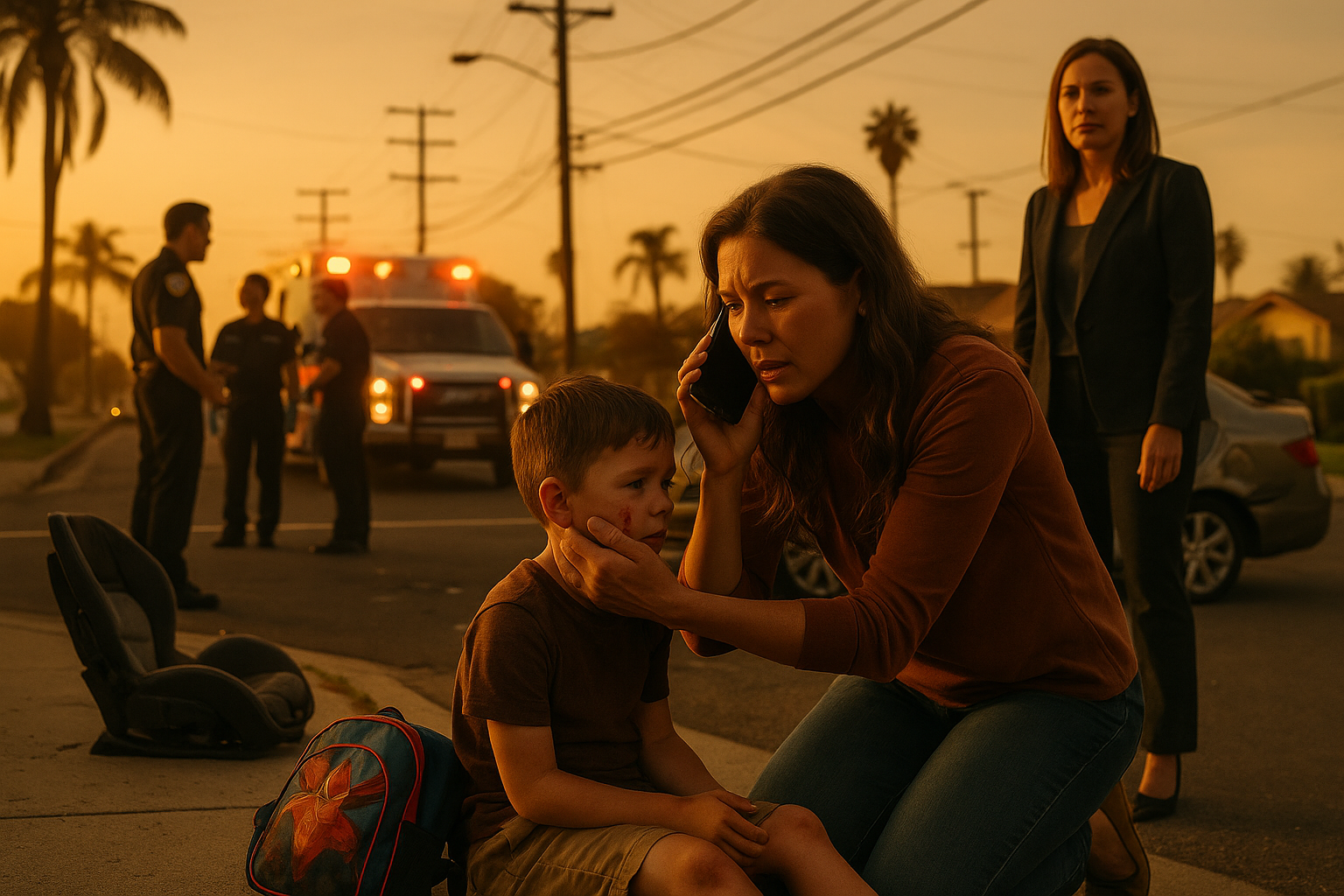
A “child injured in car accident California” generally means any minor (under 18 years old) who sustains harm—as a passenger, pedestrian, or otherwise involved—in a vehicle collision within California. Injuries range from minor to life-altering.
Common Causes of Child-Involved Car Accidents in CA
Children can be injured in crashes on California roads for many reasons. The most frequent causes include:
- Speeding: Excessive speed reduces reaction time and increases crash severity.
- Distracted driving: Cell phone use, eating, or other distractions are common causes.
- Improper turns: Illegal or dangerous turns put all passengers, especially unrestrained children, at greater risk.
- Driving under the influence (DUI): Alcohol- and drug-impaired drivers are a leading source of serious injury (source).
Common Types of Child Injuries
Children’s developing bodies make them more susceptible to certain kinds of trauma. The most frequent injuries are:
- Cuts and bruises: Surface injuries, while often minor, may indicate underlying trauma.
- Fractures: Broken arms, legs, or collarbones are common due to impact.
- Concussions and traumatic brain injuries (TBIs): Even a mild blow to the head can be serious in a child.
- Spinal injuries: These can be permanently disabling and are especially traumatic in children.
- Internal injuries: Bleeding or organ damage may not be obvious at first.
Children’s smaller size, developing bone density, and growing bodies mean injuries can sometimes be harder to assess.
Baby Car Seat Accident Injury: Special Risks
When it comes to infants and toddlers, the baby car seat accident injury is a critical issue. Even at low speeds, if a car seat is improperly installed or used incorrectly, severe injury can occur:
- Improper installation increases risk of ejection or severe movement during collision.
- Incorrect harnessing can lead to internal injuries, fractures, or spinal trauma.
- Failure of restraint systems may not be detected until after a crash.
Pro tip: Always check car seat guidelines, install according to manufacturer specifications, and have your installation inspected periodically by certified technicians.
California’s Child Passenger Safety Laws
California law provides strong protections for young passengers:
- Children under 8: Must be buckled into a car seat or booster seat in the back seat.
- Infants under 2 (unless they exceed size limits): Must be in a rear-facing car seat.
- Ignoring these laws increases injury risk and can affect legal responsibility if there is a crash.
Best practice: Routinely double-check that child seats are properly secured. Accidental misuse is a top factor in preventable child injuries.
Get more details and statistics: Maison Law — Teen Accidents Stats & Info
Filing a Minor Passenger Injury Claim
Keywords: minor passenger injury claim, child injured in car accident California
When a child is injured in a car accident in California, securing their future often starts with filing a minor passenger injury claim (source).
What Is a Minor Passenger Injury Claim?
A minor passenger injury claim is a formal legal action initiated on behalf of a minor who is hurt as a passenger in a vehicle crash. These claims pursue compensation for injuries caused by another party’s negligence.
Who Files the Claim?
Minors in California cannot file personal injury lawsuits or insurance claims themselves. A parent, legal guardian, or guardian ad litem (court-appointed representative) must file and manage the process.
Steps to Filing a Minor Passenger Injury Claim
- Get Immediate Medical Evaluation
- Take your child for a thorough medical check-up right away, even if injuries aren’t obvious.
- Medical records at this stage are vital evidence.
- Collect Critical Documentation
- Police reports: Secure a copy as soon as possible.
- Witness statements: Get names and contact details of all witnesses.
- Accident photos/videos: Photograph vehicle damage, the scene, injuries, and safety equipment (like car seats).
- Medical records: Keep all hospital and doctor documentation (source).
- File the Claim with Insurance
- Submit all documentation to the at-fault party’s insurance company.
- Fully describe all injuries and costs, both immediate and projected.
- Negotiate Settlement or Escalate
- Many cases resolve through settlement. If not, a formal lawsuit may be filed.
What Damages Can Be Recovered?
Your minor passenger injury claim can seek recovery for:
- Medical bills (current and future)
- Rehabilitation or therapy costs
- Pain and suffering
- Loss of enjoyment of life
- Emotional distress
- Potential future lost earnings (source)
Take Prompt Action
The faster you gather and preserve evidence, the stronger your case will be. Delay can harm your ability to secure fair compensation.
Reference and legal background: Maison Law — Teen Accidents Statistics & Guide
Legal Options for Injured Children in Car Crashes
Keywords: legal options for injured child in crash, car accident lawsuit for child injuries, minor passenger injury claim
After a child injured in a car accident in California, families must understand their legal pathways for seeking justice and compensation.
What Are the Legal Options for Injured Child in Crash?
- Insurance Claims (source)
- File against the at-fault driver’s auto insurance
- If multiple parties share blame, claims may involve several insurers
- Settlement Negotiations
- Attempt to resolve the case quickly for both immediate treatment costs and projected needs
- Skilled negotiators may secure higher offers
- Car Accident Lawsuit for Child Injuries
- If the insurer denies the claim, undervalues it, or contests liability, a lawsuit can be filed
- This formalizes the dispute and brings it to court judgment if not settled
Types of Damages in Child Injury Cases
The loss from a child injured in a car accident in California can last for years or a lifetime. Damages may include:
- Past and future medical expenses (surgeries, therapy, medications)
- Pain and suffering (chronic pain, reduced quality of life)
- Emotional distress (anxiety, PTSD)
- Loss of future earning ability (if the injury permanently disables the child)
- Long-term rehabilitative needs or lifestyle modifications
The calculation of damages depends on:
- Severity of the child’s injuries
- Length and cost of treatment and rehabilitation
- Anticipated impact on the child’s future (source)
Statute of Limitations for Minors in California
- Standard: Two years from the date of injury
- Paused (“Tolled”) for Minors: Does not start until the child turns 18
- Practically, most claims can be filed until the child’s 20th birthday
- Shorter Deadlines: Claims involving government vehicles or special circumstances may have strict notice requirements (sometimes as short as six months)
Action step: Always consult a legal professional as soon as possible to ensure you meet all relevant deadlines.
Further reading and legal facts: Maison Law — Youth Accident Legal Guide
Car Accident Lawsuit for Child Injuries
Keywords: car accident lawsuit for child injuries, legal options for injured child in crash, minor passenger injury claim
When settlements are unsuccessful or the at-fault party refuses proper compensation, a car accident lawsuit for child injuries may be necessary to protect your child’s rights.
When Is a Car Accident Lawsuit Necessary?
Litigation is generally required if:
- Settlement negotiations stall or fail
- The responsible party disputes liability
- There’s disagreement about the seriousness or value of the injury
Steps in the Lawsuit Process
- Filing the Complaint
- The plaintiff (on behalf of the child) files a civil complaint detailing the injury and liability (source).
- Discovery Phase
- Both parties exchange evidence: medical reports, accident reconstructions, witness testimony
- Pre-Trial Motions and Hearings
- Disputes about evidence or procedure are resolved by the judge
- Settlement Discussions or Trial
- Parties may settle at any time; if not, the case is tried before a judge or jury
The Role of Guardian Ad Litem
- A guardian ad litem is an adult—often a parent or legal guardian—appointed by the court to represent the child’s best interests throughout litigation.
- This ensures decisions are made solely for the child and not for third-party interests.
Court Approval of Settlements and Awards
- Any settlement reached on behalf of a minor requires a judge’s approval.
- The court examines:
- Fairness of the amount
- How funds will be managed (typically placed in trust until age 18)
- That the child’s long-term interests are protected
Protection of the Child’s Welfare
California’s court system takes extra steps to shield children from exploitation or poor outcomes. Court oversight aims to guarantee that all funds and settlements truly benefit the minor (learn more).
Practical Advice and Next Steps for Parents and Guardians
Keywords: child injured in car accident California, baby car seat accident injury, minor passenger injury claim
Whether your child’s injuries seem minor or severe, immediate, detail-focused action is critical. For a broader look at injury prevention and recovery, see our Complete Guide to Injuries: Prevention and Care.
Immediate Actions After the Accident
- Seek Medical Care at Once
- Even minor symptoms can mask major injuries
- Specialized pediatric exams may reveal hidden trauma
- Document Everything
- Medical treatment: Save all records, prescription information, and hospital discharges
- Visible injuries: Photograph bruises, cuts, casts, and scars over time
- Accident details: Get a certified copy of the police report; note time, weather, and sequence of events
- Preserve Key Evidence
- Save damaged baby car seats, clothing, broken vehicle parts, and anything else affected in the crash
- Proper evidence is vital for both a baby car seat accident injury claim and any broader minor passenger injury claim
Engage With Caution
- Don’t discuss details, responsibility, or injury claims with insurance adjusters for the at-fault driver before consulting with a legal expert
- Do NOT sign any documents or accept settlement offers immediately—these may be for less than the true value of your child’s case
Consult a Specialized Attorney
- Seek advice from a lawyer who focuses on child injured in car accident California cases
- Professional guidance ensures you:
- Identify all responsible parties
- Calculate full future costs and damages
- Avoid pitfalls in evidence and procedural deadlines
- Navigate claims processes and, if needed, litigation (source)
Checklist: What Parents Should Keep and Record
- All medical and hospital bills
- Names, contact info, and written statements from witnesses
- Photos of the accident scene and involved vehicles
- The damaged car seat and any child safety restraints
- Accident and police reports
- Documentation of missed school days or activities
- Receipts for any out-of-pocket costs (transport, medication, therapy, etc.)
Understanding Emotional Impacts
Car crash trauma can result in:
- Anxiety or fear about riding in vehicles
- Changes in sleep or behavior
- Need for counseling or psychological support
Note and document emotional changes; these can increase the compensation owed and, more importantly, highlight care needs for your child’s development.
Reference & Practical Support: Maison Law — Child Accident Guide
Conclusion: Protecting Your Child’s Rights After a Car Accident in California
If your child is injured in a car accident in California, you face a daunting mix of responsibilities and emotions. From urgent medical care to preserving legal rights, each step you take is critical for your child’s present comfort and future security.
Key steps include:
- Obtaining immediate and thorough medical attention
- Collecting and securely storing all evidence and documentation
- Following all guidelines for injury claims, especially those unique to minors
- Consulting attorneys with experience in protecting child injury victims
Navigating legal options for injured child in crash can be complex and time-sensitive. For many families, the stakes are high—long-term rehabilitation, therapy, and financial uncertainty can all hang in the balance. Skilled legal representation isn’t just a formality—it’s your best tool for ensuring true justice and compensation. If necessary, filing a car accident lawsuit for child injuries may secure the resources needed for your child’s lifelong well-being.
If your child has been injured in a car accident in California, don’t wait—get answers and protect their future. Find out if your case qualifies for compensation within 30 seconds.
Get your free, instant evaluation from Visionary Law Group now: https://eval.visionarylawgroup.com/auto-accident
Take action now to secure the care and justice your child deserves.
FAQ
Who can file a lawsuit for a child injured in a car accident in California?
A parent, legal guardian, or a court-appointed guardian ad litem must file and manage any legal claims or lawsuits on behalf of a minor child in California.
What types of compensation can be recovered in a minor passenger injury claim?
Compensation can include medical bills (current and future), rehabilitation costs, pain and suffering, emotional distress, loss of enjoyment of life, and potential future lost earnings.
What is the statute of limitations for filing claims for minors injured in car accidents in California?
The statute of limitations is generally two years from the date of injury but is tolled (paused) until the child turns 18, effectively allowing claims to be filed until the child’s 20th birthday.
Are car seat laws important for legal cases involving injured children?
Yes. Proper use and installation of car seats are mandated by California law and failing to comply can increase injury risks and affect fault or responsibility in legal claims.
When is filing a lawsuit necessary instead of settling?
A lawsuit is typically necessary if settlement negotiations fail, the at-fault party disputes liability, or there is disagreement about the seriousness or value of the child’s injury.
What role does a guardian ad litem play in cases involving a minor?
A guardian ad litem is appointed by the court to represent the best interests of the child throughout litigation, ensuring the child’s welfare is prioritized in all decisions.
Can emotional impacts be considered in injury claims for children?
Yes. Emotional trauma such as anxiety, PTSD, and behavioral changes can be included when calculating damages related to the child’s injury and recovery.
What precautions should parents take when dealing with insurance adjusters?
Parents should avoid discussing details or accepting any settlement offers before consulting with a qualified attorney to prevent inadvertent waiving of rights or undervaluing the claim.
Where can families find more legal information about child car accident injuries?
Reliable legal resources include Maison Law — Teen Accidents Statistics & Guide and Visionary Law Group.